

Understanding the Bus Network Economics
Hong Kong’s bus system is massive. We’re talking over 700 routes across public and minibus operators. That’s the opportunity and the challenge — there’s almost always a cheaper route if you’re willing to spend a bit more time.
Here’s what most people don’t realize: a single journey on most buses costs between HK$3.20 and HK$11.40 depending on distance. But if you’re commuting regularly, those fares add up fast. A typical five-day work week using buses instead of MTR can cost anywhere from HK$160 to HK$400 monthly — before we even factor in weekend travel.
The real question isn’t just about the ticket price. It’s about whether the time savings from faster MTR service justify the extra cost, or if you’ve got flexibility to use slower, cheaper buses. That calculation changes completely depending on your schedule and route options.

What This Article Covers
This is educational information about bus and minibus routes in Hong Kong. Actual costs, route availability, and journey times may vary based on your specific location, the time of day, and current operator schedules. We recommend checking the official websites of KMB, Citybus, and your local minibus operators for real-time fare information before planning your commute.

Bus vs. Minibus: The Cost Breakdown
Let’s talk specifics. Public buses (operated by KMB, Citybus, etc.) charge distance-based fares. Cross-harbour buses run HK$6.50 to HK$11.40. Local routes are HK$3.20 to HK$6.50. Minibuses are a different beast entirely.
Red minibuses don’t have fixed routes — they run along set corridors but pick up and drop off anywhere along the way. Green minibuses do have fixed stops. A minibus journey typically costs HK$3 to HK$8. They’re faster than regular buses in many cases, quicker on crowded days, and honestly they feel less like commuting and more like getting a ride from a friend.
The real cost difference: if you’re using buses for a 30-minute commute both ways five days a week, you’re looking at roughly HK$200-250 monthly if you use regular buses, or HK$150-180 with minibuses. That’s real money. Over a year, that’s HK$840 difference. But here’s what changes the math: minibuses don’t accept Octopus cards on most routes, and they’re less predictable in bad weather or during rush hour.
Finding Your Optimal Route Combination
This is where it gets interesting. You don’t have to choose one mode and stick with it. Most people’s commute works best as a hybrid.
The Practical Approach
- Use buses on predictable days when you’re not rushed
- Switch to minibus on days with tight meetings or bad weather
- Keep your Octopus card loaded — it works on buses and most MTR services
- Map out 2-3 different route options so you’re not locked into one
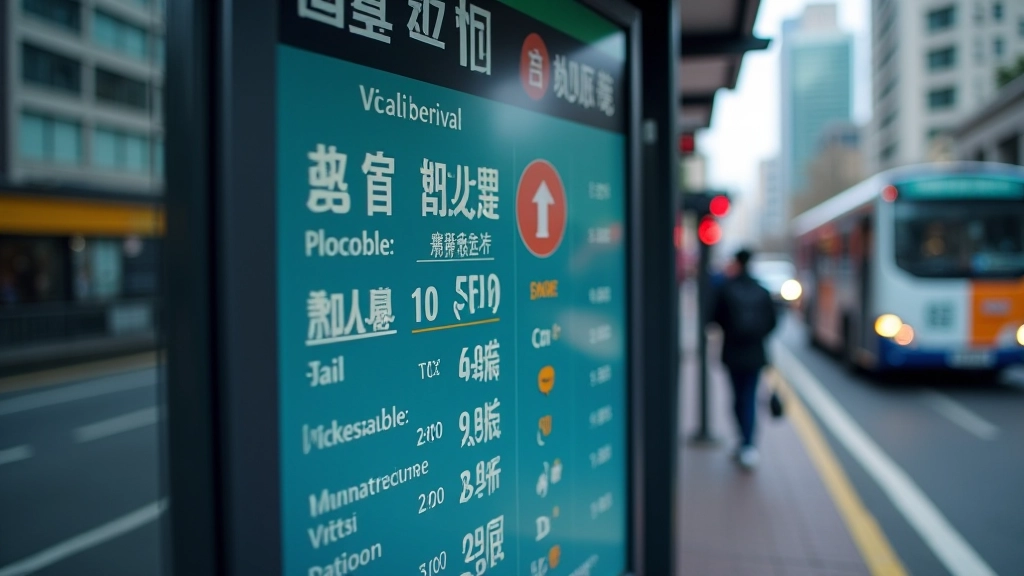
A typical workday commute might be: take the 10 bus home in the evening (costs HK$5.60 with Octopus), but grab a green minibus home on Thursdays when you’ve got evening plans (costs HK$6). That flexibility costs you almost nothing but gains you hours every month by avoiding crowded buses.

The Time-Cost Trade-off: Is It Worth It?
Here’s the honest part that most budget guides skip: saving HK$70 monthly doesn’t help if it costs you 40 extra minutes per day. That’s real time — time you could spend sleeping, working on a side project, or literally anything else.
Let’s do the math. If an MTR trip takes 25 minutes and costs HK$8, versus a bus journey that takes 50 minutes and costs HK$5, you’re saving HK$3 per journey. Over 20 working days, that’s HK$60. But you’re spending 500 extra minutes monthly — that’s over 8 hours. Is HK$60 worth 8 hours of your time? For most people earning more than HK$7.50 per hour, the answer is no.
The sweet spot exists when your bus route is only 10-15 minutes slower than the MTR alternative. Then the HK$2-3 savings per journey actually makes sense because you’re not sacrificing much time. That’s when buses become genuinely smart, not just cheaper.
Making Your Decision
Bus and minibus commuting makes sense if you’ve got flexibility in your schedule and don’t mind variable journey times. They’re brilliant for people who live on good bus routes, work flexible hours, or don’t mind arriving at the office at different times. For time-sensitive jobs with fixed start times, you’re probably better off sticking with MTR even if it costs more.
The real win is mixing them. Use buses on calm days when you’re not rushed, save the faster options for days that matter. Load your Octopus with enough credit to cover either option, and you’ll find your own balance between cost and convenience. That’s not budget commuting with sacrifice — that’s smart commuting that actually works for your life.
Explore Your Full Commuting Options
Want to compare all your transport choices including MTR passes, the government subsidy scheme, and occasional taxis? Check out our other commuting cost guides to build a complete picture of your monthly travel budget.
View All Commuting Guides