
CommuteSmart HK Logo CommuteSmart HK

When to Use Taxis and Ride-hailing — Balancing Convenience Against Cost

Figure out the realistic budget for occasional taxis or Uber. Learn when it makes sense financially versus when public transport is the smarter choice.

8 min read Intermediate April 2026
Taxi and ride-hailing app icons displayed on smartphone with city street background

The Hidden Costs of Convenience

Let’s be honest — sometimes you just don’t want to wait for a minibus. You’ve had a long day, you’re running late, or the weather’s terrible. That’s when taxis and ride-hailing apps feel like the obvious choice. But here’s the thing: convenience has a price tag, and it adds up faster than most people realize.

The question isn’t whether taxis and ride-hailing are worth using. It’s knowing when they actually make sense for your budget. A single ride might cost HK$45-80 depending on distance. Take that twice a week for a month and you’re looking at HK$360-640 in fares alone. That’s money that could go elsewhere — or it might be worth every dollar if you’re using them strategically.

How Much Do Taxis and Ride-hailing Actually Cost?

In Hong Kong, taxi fares start at HK$24 for the first 2km, then add HK$1.70 per 200m or HK$1.70 per minute of waiting time. Most trips across Kowloon or Hong Kong Island run HK$45-75 depending on traffic. Uber and similar apps usually charge slightly more because of surge pricing during peak hours — sometimes 1.5 to 2.5 times the base rate.

Here’s where it gets real. If you’re spending HK$50 twice a week, that’s HK$400 monthly. Compare that to an MTR Monthly Pass at HK$415 (which gives you unlimited travel) or a HK$600 Octopus card for the month. You’re paying almost as much for two weekly rides as you’d pay for unlimited MTR access. That’s the moment most people realize they need a better plan.

  • Airport transfers: HK$115-150 (versus HK$115 for airport express + MTR)
  • Late night trips: Standard fares after 11pm, no surcharge
  • Peak hour Uber: Surge pricing can double the normal fare
  • Rainy day premium: None from taxis, but Uber surge pricing kicks in
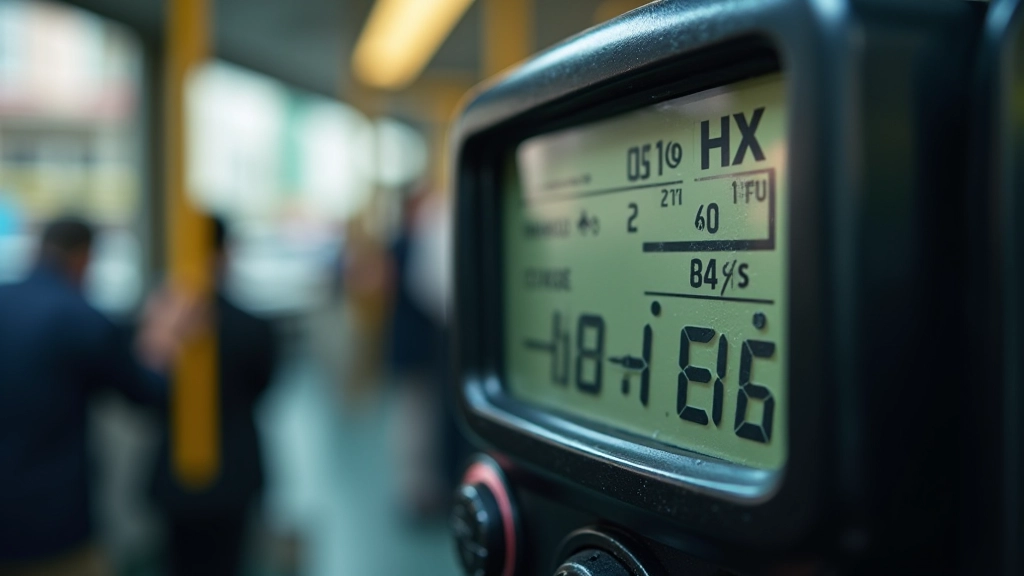
Taxi fare meter display showing charges in Hong Kong currency with trip details

Important Note on Pricing

Taxi fares and ride-hailing prices vary based on traffic conditions, time of day, and demand. The figures provided here are typical estimates based on standard Hong Kong rates. Actual costs may differ. Always check current app pricing and taxi rates before planning your budget. This information is educational and doesn’t constitute financial advice.

Person checking smartphone with Uber and Grab apps open side by side showing different prices for same route

When Taxis Actually Make Sense

Taxis aren’t always the wrong choice. Sometimes they’re genuinely smarter than waiting 20 minutes for a bus that might not come. Here’s when you should actually use them.

Late night trips after 11pm? You’ll pay the same taxi fare as you would at 2pm, but the minibus network shuts down and MTR’s finished for the night. A HK$60 taxi ride beats waiting in the cold. Weekend trips with luggage or groceries? A taxi costs HK$50-70 but you’re not cramming yourself onto a crowded minibus. That’s worth it.

Bad weather, injured knee, traveling with elderly family members — these aren’t luxury reasons to take a taxi. They’re practical ones. Budget HK$200-300 monthly for these genuine edge cases and you’re being realistic, not indulgent.

Monthly Budget Scenarios

Here’s what different commuting patterns actually cost per month:

Scenario A: No Taxis

MTR Monthly Pass

HK$415

Works if you’re commuting daily on predictable routes.

Scenario B: Occasional Taxis

Octopus Card + 4 Taxi Rides

HK$540-650

Realistic for people with mixed commuting patterns.

Scenario C: Regular Ride-hailing

Octopus Card + 2x Weekly Uber

HK$750-900

Convenient but significantly more expensive than public transport alone.

Building a Realistic Commuting Budget

Don’t aim for zero taxi rides — that’s not realistic and it’ll frustrate you. Instead, budget for taxis as a planned part of your monthly costs, not an emergency fund. Here’s how:

  1. Calculate your regular commute: How many days do you actually travel? Do you work from home some days? Build your base with MTR Pass or Octopus card only for regular trips.
  2. Add a buffer: Budget HK$200-300 monthly for taxis and ride-hailing. That’s 4-5 extra rides. You’ll use them for genuine reasons, not impulse convenience.
  3. Track actual spending: After three months, you’ll see your real pattern. Most people spend HK$150-250 on taxis monthly if they’re being honest about their lifestyle.
  4. Use ride-hailing strategically: Uber and Grab aren’t always more expensive — check the app during non-peak hours. Sometimes they’re cheaper than taxis.
  5. Check subsidy eligibility: Hong Kong’s Public Transport Fare Subsidy Scheme rebates up to HK$600 monthly if you spend over HK$400. This can offset some taxi costs.
Notebook with handwritten budget notes and calculator showing transport costs calculation

The Real Answer: It Depends

There’s no single right answer about when to use taxis and ride-hailing in Hong Kong. It depends on your lifestyle, where you’re traveling, and what convenience is actually worth to you. But here’s what we know for sure: if you’re taking taxis multiple times a week without thinking about cost, you’re probably overspending. If you’re never taking them even when you genuinely need to, you’re making commuting harder than it needs to be.

The balanced approach works best. Use public transport as your foundation — it’s reliable and cheap. Budget a realistic amount for taxis when you genuinely need them. Don’t pretend you’ll never use ride-hailing apps, and don’t treat them like your default option either. Most Hong Kong commuters find HK$500-700 monthly is their real sweet spot when they account for everything: regular travel, occasional convenience, and the subsidy scheme.

Start with an MTR Pass or Octopus card. Add HK$250 monthly for taxis and ride-hailing. Check if you qualify for the subsidy. Then adjust based on your actual spending. That’s the realistic budget most people should be aiming for.

Michael Wong, Senior Transport Economics Analyst

Michael Wong

Senior Transport Economics Analyst

Michael Wong is a transport economics specialist with 12 years of experience helping Hong Kong commuters optimize their monthly travel budgets.