

Understanding Your Transport Options
If you’re commuting regularly across Hong Kong, you’ve probably wondered whether the MTR Monthly Pass or a stored value Octopus card actually saves you money. It’s not a straightforward answer — it depends entirely on where you’re traveling and how often.
The thing is, both options have their place. The Monthly Pass locks in a fixed cost if you’re making lots of journeys. But the Octopus card’s flexibility means you’re not paying for trips you don’t take. We’ll walk you through the actual numbers so you can figure out which works for your routine.
Educational Note: This article provides informational analysis of public transport options in Hong Kong based on published fare structures and common commuting patterns. Actual savings depend on your specific routes, frequency, and personal circumstances. For the most current fare information, check the official MTR and Octopus websites.
The MTR Monthly Pass Breakdown
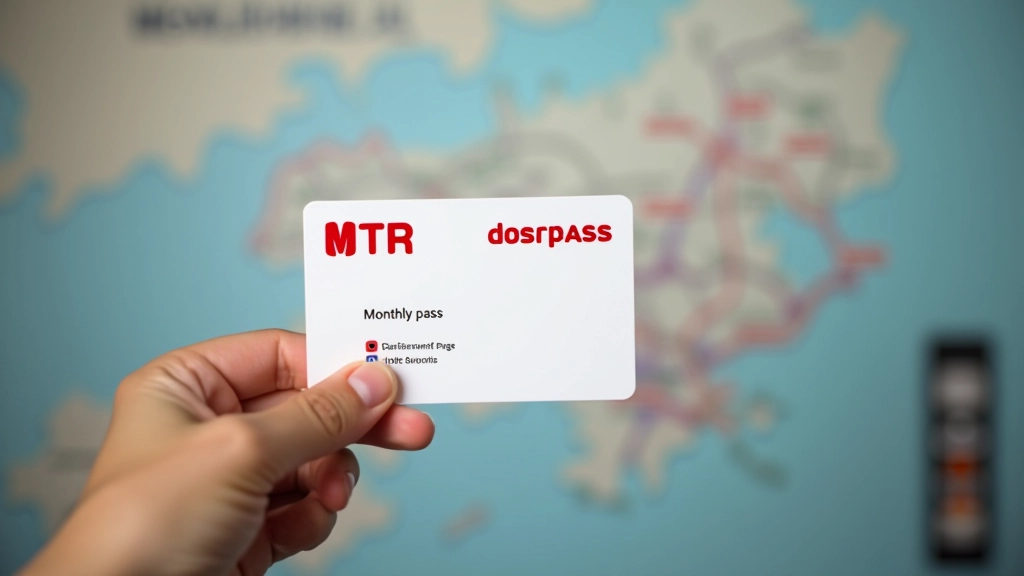
The Monthly Pass costs HK$600 and gives you unlimited MTR travel for 30 consecutive days. That’s the key advantage — once you buy it, you’re done. No worrying about topping up, no calculating fares, just tap and go.
The math works out simple: if you’re taking 16 or more MTR journeys per month, the pass pays for itself. A single journey within Zone 1 costs around HK$38-40, so you’d need to spend more than HK$600 on individual fares for the card to make sense.
Here’s what works in its favor. You’re not tracking balance. You’re not caught short when your card runs out. Plus, there’s psychological relief — you stop thinking about every trip as a cost. That matters more than people admit.

Why the Octopus Card Still Matters
The Octopus card isn’t just for MTR — that’s actually its biggest strength. You’re using one card for buses, minibuses, ferries, trains, even some shops and convenience stores. It’s genuinely flexible.
With an Octopus, you only pay for what you actually use. If you’re making 10 MTR trips one month and 20 the next, you adapt automatically. There’s no wasted money on a monthly pass you didn’t fully utilize.
The stored value system also means you’re not locked into 30 days. Your balance rolls over. If you take fewer trips in December because you’re traveling overseas, you haven’t thrown away HK$600.
Breaking Down Your Commuting Scenario
Light Commuter
8-12 trips/month
Octopus Cost: ~HK$380-460
Monthly Pass Cost: HK$600
Use Octopus card
Regular Commuter
16-20 trips/month
Octopus Cost: ~HK$640-800
Monthly Pass Cost: HK$600
Consider Monthly Pass
Daily Commuter
20+ trips/month
Octopus Cost: ~HK$800+
Monthly Pass Cost: HK$600
Monthly Pass wins
Smart Strategies for Maximum Savings
Don’t just pick one option and stick with it forever. Real people adjust based on what’s happening that month. If you know you’re traveling for work every weekday, grab the Monthly Pass. If you’re mixing WFH days with office time, the Octopus flexibility wins.
The government’s Public Transport Fare Subsidy Scheme also changes the game. If you qualify, you’re getting money back on any card you use. That could mean the Octopus becomes even more attractive since you get that rebate on top of your spending.
Here’s the honest truth: most people overthink this. Track your trips for one month using your Octopus card. See the actual number. Then you’ll know whether the Monthly Pass makes sense for your lifestyle.


Mixing MTR with Bus and Minibus Routes
Most commuters aren’t pure MTR users anyway. You’re probably combining MTR with buses, minibuses, or ferries depending on where you’re going. That’s where the Octopus card becomes indispensable.
A minibus from your area to Central might cost HK$7-15 depending on distance. A bus journey could be HK$3-12. You can’t buy a monthly pass for these — you need the Octopus flexibility. So even if you’re using MTR most days, the card still handles your backup routes efficiently.
This is why we recommend: if you’re doing mixed transport, the Octopus stays in your wallet permanently. The Monthly Pass only makes sense if your commute is almost entirely MTR, door-to-door on the same lines.
The Real Answer: It Depends
We know that’s not the decisive answer you wanted. But honestly, the choice between MTR Monthly Pass and Octopus comes down to three things: how many trips you’re actually making, whether you use other transport modes, and whether you value the flexibility of paying as you go.
If you’re making fewer than 16 trips monthly on MTR alone — go with Octopus. You’ll save money. If you’re hitting 16+ trips and using MTR almost exclusively, the Monthly Pass makes financial sense. And if you’re mixing transport methods or your routine changes week to week, the Octopus card’s flexibility is worth more than the money you might save on pure MTR journeys.
One month of tracking your actual trips will give you the data you need. Don’t guess. You’ll know for sure.